
You’ve been feeling drained, distracted, and pulled in a hundred directions at once. Your mind races, your body aches, and even your downtime doesn’t feel restful. It’s easy to lose track of what truly helps you recharge.
A holistic retreat center offers a different approach. These centers combine structured programs, expert guidance, and a supportive environment to help your mind and body reset. From yoga and meditation to nutrition workshops and mindful movement, you can step away from daily stress and focus on practices that actually work.
In this article, we’ll explore what a holistic retreat center is, what you can expect when you attend one, and how to choose one that fits your needs. You’ll learn about the programs, the environment, and the overall approach, with practical tips for making the most of your retreat experience.
Table of Contents
- What Is a Holistic Retreat Center?
- 8 Core Elements You’ll Commonly Find at a Holistic Retreat Center
- Why Environment Matters in a Holistic Retreat
- Choosing the Right Holistic Retreat Center for You
- Find the Right Holistic Retreat Center at Sedona Mago Center for Well-Being & Retreat
What Is a Holistic Retreat Center?
A holistic retreat center is a place designed to support your mind, body, and overall well-being through structured programs, expert guidance, and a calm, restorative environment. Unlike a typical vacation, the focus is on intentional practices that promote mental clarity, physical health, and emotional balance.
At a quality holistic retreat center, you can expect a range of amenities and services to support your stay. These often include:
- Guided yoga and meditation classes to strengthen mindfulness and flexibility
- Nutritional workshops and healthy, nourishing meals
- Mindful movement sessions, such as tai chi or qigong
- Spa and bodywork treatments for stress relief and physical rejuvenation
- Educational workshops on stress management, sleep, and self-care practices
- Access to quiet reflection areas, nature trails, or healing gardens
Sedona Mago offers all of these features, creating a supportive environment where you can focus on your health and personal growth. By combining expert-led programs with a serene, carefully designed space, Sedona Mago helps guests step away from daily stress and cultivate lasting habits for well-being.
How Holistic Wellness Retreat Centers Differ From Vacations
A beach resort may help you relax for a few days. A sightseeing trip can be exciting and inspiring. But once you return home, the stress often returns just as quickly.
A holistic retreat center is different by design. The goal is not just temporary relaxation. It is intentional restoration and practical learning.
Here’s how retreats stand apart from traditional vacations:
- Structured daily schedules: Retreats follow thoughtfully designed programs. Your day may include morning meditation, educational workshops, mindful movement, and reflection time. This structure helps create consistency, which research shows supports habit formation and stress reduction.
- Guided experiences led by trained facilitators: Instead of exploring on your own, you learn from experienced instructors. They explain the purpose behind each practice, whether it is breathwork to regulate the nervous system or gentle yoga to improve mobility and circulation.
- Skill building, not just relaxation: You do not simply unwind. You learn techniques such as mindfulness, diaphragmatic breathing, or posture alignment that you can apply at home to manage stress and improve focus.
- An environment designed for reflection: Retreat settings reduce noise, digital distractions, and daily demands. This helps calm the nervous system and improve mental clarity, making it easier to reflect and reset.
- A focus on long-term well-being: The intention is sustainable change. You leave with practical tools, clearer priorities, and a better understanding of how to support your physical and mental health in everyday life.
In short, a holistic retreat is not an escape from life. It is a guided pause that helps you return to life with stronger habits and a renewed perspective.
Who Can Benefit From a Holistic Retreat Center
You do not need experience with meditation, yoga, or retreats to benefit from a holistic retreat center. These programs are designed to be approachable and adaptable.
Holistic retreats often appeal to:
- First-time participants who want clear guidance and step-by-step instruction
- Busy professionals or caregivers looking for practical stress-management tools
- Returning guests who want to deepen an existing practice
- Curious learners interested in exploring mindfulness, movement, or nutrition in a structured setting
Holistic retreat centers are inclusive by design. Whether this will be your first retreat experience or you’re building on many years of prior experience, the goal is the same: to provide practical tools you can carry into daily life.
Types of Programs Offered at Holistic Wellness Retreat Centers
Holistic wellness retreat centers often offer different program formats to match your goals, schedule, and experience level. Some are short and immersive. Others are multi-day journeys focused on deeper personal growth.
Common formats include:
- Self-discovery retreats: Programs such as Finding True Self focus on self-reflection, guided meditation, and structured exercises that help you clarify personal values and long-term goals.
- Comprehensive wellness retreats: Sedona Wellness Retreats combine mindful movement, meditation, and educational workshops to support stress reduction, physical vitality, and mental clarity.
- Weekend meditation programs: A Sedona Meditation Weekend offers a shorter, focused experience where participants learn foundational meditation techniques and how to apply them at home.
- Detox and revitalization retreats: Programs like the Revitalizing Detox Retreat often include plant-based meals, gentle movement, and educational sessions on digestion and metabolic health to help reset daily habits.
- Mind-body movement retreats: The Self Empowerment QiGong Retreat introduces qigong, a traditional practice that combines slow, intentional movement with controlled breathing to improve balance, circulation, and focus.
At Sedona Mago Center for Well-Being and Retreat, each program is designed around the individual. Whether you are seeking clarity, stress relief, or a deeper mind-body practice, Sedona Mago offers structured experiences that help you return home with practical tools you can use in daily life.
8 Core Elements You’ll Commonly Find at a Holistic Retreat Center
Every holistic retreat center has its own philosophy and signature programs. Still, most share a set of core elements that shape the overall experience.
Understanding these ahead of time helps you set realistic expectations, prepare mentally and physically, and decide whether a specific retreat aligns with your personal goals.
Below are eight common elements you are likely to encounter during a holistic retreat experience.
#1: Guided Movement
In a holistic retreat setting, guided movement refers to slow, intentional exercises led by an instructor. The focus is not on athletic performance or burning calories. It is on increasing physical awareness in a safe, structured way.
Participants may engage in practices such as:
- Gentle yoga
- Qigong or tai chi
- Stretching and mobility exercises
These movements help you notice posture, areas of tension, and breathing patterns. By slowing down and paying attention, you can identify habits such as shallow breathing or tight shoulders and begin making small, sustainable adjustments.
#2: Meditation
Meditation is a structured practice that trains attention and awareness. Rather than “clearing your mind,” it encourages you to sit still, focus on a specific anchor such as your breath, and observe thoughts without immediately reacting to them.
At a retreat, meditation sessions are typically guided and beginner-friendly. Instructors explain posture, breathing techniques, and what to expect during the practice. This support makes meditation accessible, even if you have never tried it before
#3: Mindfulness
Mindfulness is the practice of paying close attention to what is happening in the present moment. In practical terms, it means noticing your breathing, body sensations, thoughts, or surroundings without immediately judging or reacting to them.
At a retreat, mindfulness may be practiced during meals, walking, or simple daily activities. These exercises help participants slow down, improve focus, and respond more thoughtfully to stress rather than operating on autopilot.
#4: Breathing Practices
Breathing practices involve intentionally observing and adjusting your breath pattern. Instead of breathing automatically, you learn techniques such as slow diaphragmatic breathing or counted inhales and exhales to create a steady rhythm.
These exercises help you notice how your breath influences physical sensations and mental focus. Slower, deeper breathing can ease muscle tension and support concentration, while shallow breathing is often linked to stress and restlessness.
#5: Quiet Reflection
Quiet reflection is a scheduled time set aside for rest, journaling, or personal contemplation. Rather than filling every hour with activity, retreats intentionally build in pauses.
These quieter periods give participants space to process what they are learning. Writing in a journal, sitting outdoors, or simply resting without distractions can help organize thoughts, reinforce insights, and prevent mental overload.
#6: Nature Immersion
Nature immersion includes walking, sitting, or practicing awareness outdoors. Instead of fluorescent lights and constant notifications, you step into open space, fresh air, and natural quiet.
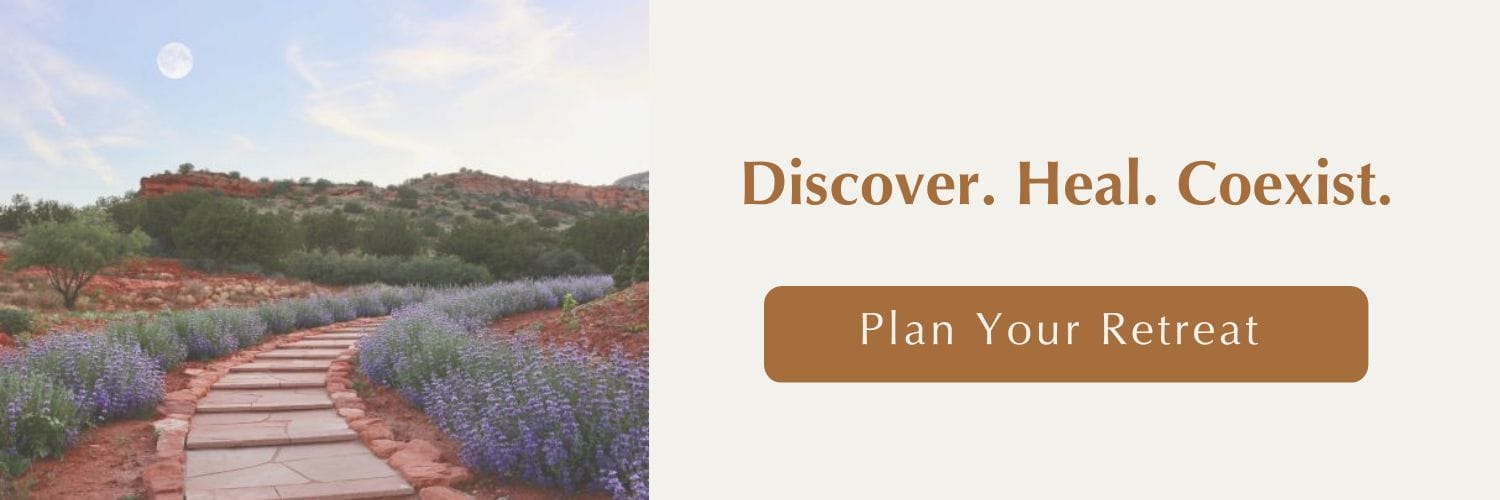
In Arizona’s high desert, the red rock formations and wide skies surrounding Sedona Mago create a setting that naturally reduces distraction. Time spent outdoors, whether on a mindful walk or seated in stillness, can make it easier to focus, slow your thoughts, and stay present with your surroundings.
#7: Educational Sessions
Educational sessions give participants the chance to learn the concepts and vocabulary behind holistic practices. Instead of simply participating in activities, you gain a clearer understanding of why they work and how to apply them at home.
These sessions may cover topics such as stress physiology, posture alignment, breathing mechanics, or the principles behind practices like qigong and meditation. Building this foundation helps turn short-term experiences into long-term habits.
#8: Yoga
At holistic retreat centers, yoga is more than exercise. It is a guided practice that combines awareness, breath, and movement. Sedona Mago specializes in Korean yoga, which builds on traditional yoga principles but emphasizes gentle, mindful movements rather than posture-focused routines.
These sessions help participants notice alignment, breathing patterns, and areas of tension while cultivating calm and focus. Whether you are new to yoga or returning to a practice, Korean yoga at Sedona Mago provides a safe, structured way to enhance body awareness and carry these benefits into daily life.
Experience the full range of holistic practices at Sedona Mago Center for Well-Being and Retreat, where every program is designed to support your growth, clarity, and well-being.
Why Environment Matters in a Holistic Retreat
The environment of a retreat shapes how you experience every practice. Natural surroundings, quiet spaces, and intentional design reduce distractions and encourage focus.
Being outdoors, especially in a setting like Sedona Mago, allows you to engage fully with your senses: the warmth of the sun, the scent of desert plants, and the sweeping views of red rock formations. These elements help you feel more present, notice subtle sensations, and respond thoughtfully to your body and mind. Thoughtful spaces, whether for guided sessions or quiet reflection, make it easier to slow down and absorb the benefits of each retreat activity.
Choosing the Right Holistic Wellness Retreat Center for You
Selecting a retreat center is about more than location or amenities. The right fit supports your goals and matches your learning style.
Consider these factors:
- Program focus: Look for retreats that align with your interests, whether it’s meditation, mindful movement, nutrition, or self-reflection.
- Teaching approach: Ensure instructors explain concepts clearly, provide guidance for beginners, and offer modifications when needed.
- Environment: Natural surroundings, quiet spaces, and thoughtfully designed facilities can enhance focus and help you fully engage in practices.
- Length of stay: Short weekends provide an introduction, while multi-day retreats allow deeper exploration and skill development.
- Overall philosophy: Read about the retreat’s approach. Centers like Sedona Mago focus on individualized experiences, helping participants integrate what they learn into daily life.
Evaluating these factors helps ensure your retreat experience is meaningful, practical, and aligned with your personal goals.
Find the Right Holistic Retreat Center at Sedona Mago Center for Well-Being & Retreat
If you are ready to step into an intentional wellness experience that supports learning, reflection, and lasting change, Sedona Mago offers a range of thoughtfully designed programs. From meditation weekends to self-discovery retreats and Korean yoga-based sessions, each retreat is grounded in practical guidance and tailored to your needs.
Explore opportunities to deepen your practice, discover tools you can use at home, and return to everyday life with a clearer sense of focus and well-being. At Sedona Mago, your retreat experience is guided, supportive, and designed to help you grow.
Visit Sedona Mago to find the right retreat for you.
Recent Posts